Ever tripped over a wave in your carpet? That pesky buckling can be more than just an eyesore; it's a safety hazard waiting to happen. But don't worry, you don't necessarily need to call in a professional. Fixing buckled carpet is often a DIY project you can tackle yourself with a little patience and the right tools. Let's explore how to get your carpet smooth and flat again! Why is My Carpet Buckling? Understanding the Root Causes Before you dive into fixing the problem, it's helpful to understand why your carpet is buckling in the first place. Identifying the cause will not only help you choose the right solution but also prevent the problem from recurring. Common Culprits Behind Carpet Buckling: Improper Installation: This is the most frequent offender. If the carpet wasn't stretched correctly during installation, it's prone to loosening and buckling over time. Humidity: Excessive moisture can cause the carpet fibers and...
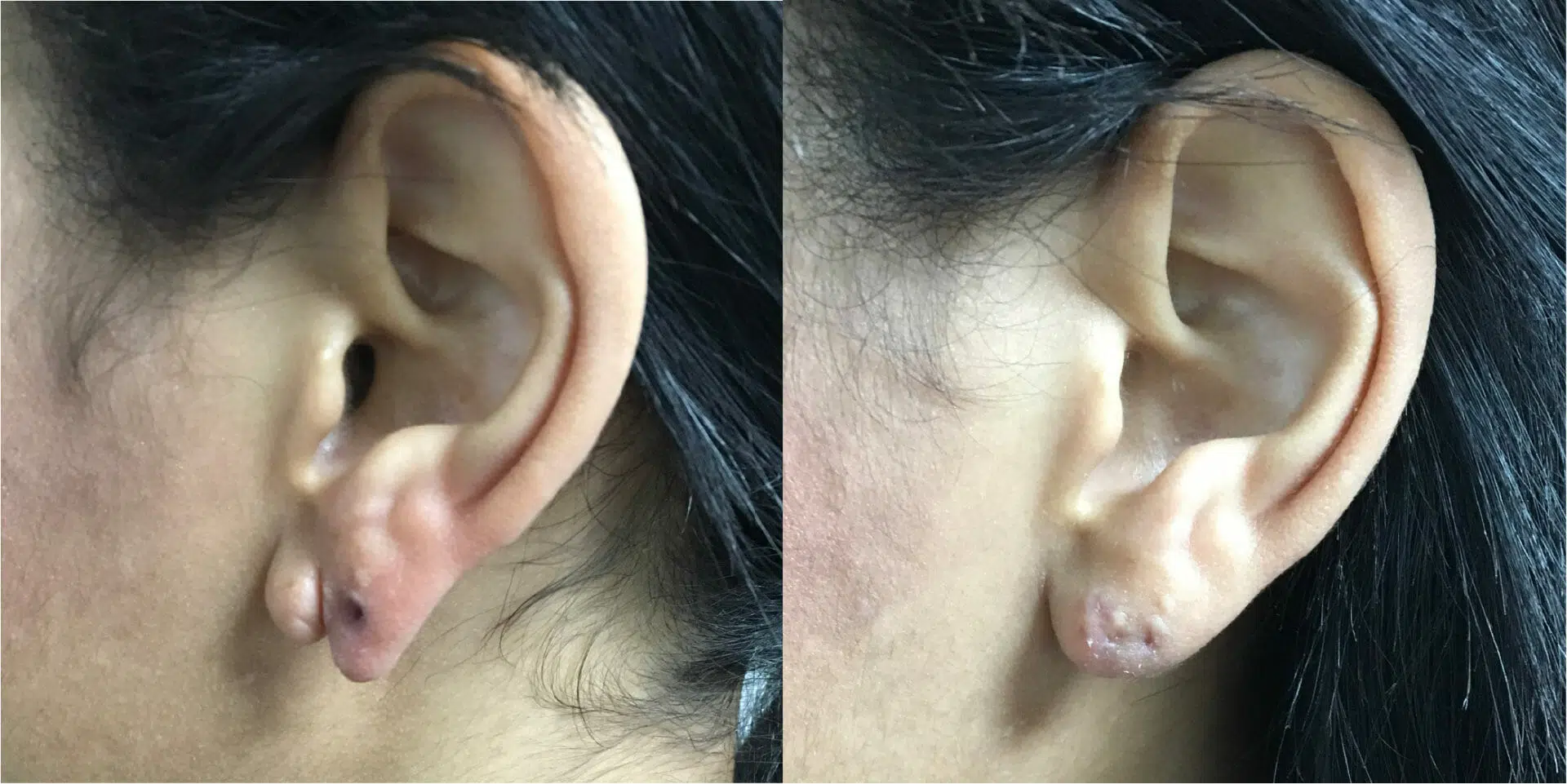
Oh no! Did your favorite earrings finally take their toll? A split earlobe can be a real bummer, especially if you're a jewelry lover. But don't worry, you're not alone, and more importantly, there are ways to fix it! Let's explore the different approaches to repairing split earlobes and getting your ears back to their best.
Understanding Split Earlobe Repair Options
Before diving into the specifics of how to fix a split earlobe, it's important to understand the different options available. The best choice for you will depend on the severity of the split, your individual healing capabilities, and your desired outcome. Here's a breakdown of the common approaches:
Non-Surgical Split Earlobe Repair: When is it an option?
While surgical repair is the gold standard for completely fixing a split earlobe, there are some less invasive methods thatmightbe suitable for minor tears or stretched piercings. These methods primarily focus on supporting the earlobe and preventing further damage, rather than truly "fixing" the split.
- Earlobe Support Patches: These adhesive patches provide support to the earlobe, preventing earrings from pulling and further stretching the piercing. They can be helpful for preventing small tears from becoming full splits. They offer no fix of the split earlobe.
- Lightweight Earrings: Switching to lightweight earrings minimizes the strain on the earlobe. This is a preventative measure rather than a fix, but it can prevent a small tear from worsening.
- Clip-on or Adhesive Earrings: Avoiding pierced earrings altogether will, of course, prevent further damage, but doesn't fix a damaged split earlobe.
It is important to note that non-surgical options will NOT repair a fully split earlobe. They are only preventative. For a true fix, surgery is generally required.
Surgical Split Earlobe Repair: The Primary Solution
Surgical repair is the most effective and permanent solution for fixing split earlobes. This procedure involves carefully excising the damaged edges of the earlobe and stitching them back together. The goal is to restore the earlobe's natural shape and create a stable base for future piercings, if desired.
The Surgical Procedure Explained
The procedure is typically performed in a doctor's office or clinic under local anesthesia. Here's a step-by-step overview:
- Anesthesia: The earlobe is numbed with a local anesthetic to ensure a pain-free experience.
- Excision: The surgeon carefully removes the edges of the split, creating fresh tissue surfaces that will heal together properly.
- Suturing: The earlobe is then meticulously stitched together using fine sutures. The surgeon will pay close attention to detail to minimize scarring and ensure a natural-looking result.
- Dressing: A small bandage is applied to protect the area and promote healing.
The entire procedure usually takes about 15-30 minutes per earlobe.
What to Expect After Surgery
Following the surgery, you can expect some mild discomfort, swelling, and bruising. Your doctor will provide specific instructions for aftercare, which may include:
- Keeping the area clean and dry.
- Applying antibiotic ointment to prevent infection.
- Avoiding strenuous activity that could strain the earlobe.
- Taking pain relievers as needed.
- Returning for suture removal, typically in 5-14 days.
Scarring is a natural part of the healing process. However, a skilled surgeon will use techniques to minimize scarring and achieve the best possible cosmetic outcome. Over time, the scar will typically fade and become less noticeable.
Recovery and Healing
The initial healing process usually takes about 1-2 weeks. However, it can take several months for the earlobe to fully heal and for the scar to fade. During this time, it's crucial to protect the earlobe from sun exposure and avoid wearing heavy earrings that could put stress on the newly repaired tissue.
Considerations for Re-Piercing
If you wish to re-pierce your earlobes after surgery, it's essential to wait until the area is fully healed and the scar tissue has matured. Your surgeon can advise you on the best timing for re-piercing, which is typically several months after the procedure. It's also important to have your ear pierced by a professional who can ensure the piercing is placed in a stable location away from the scar tissue. Consider piercing slightly above or to the side of the original piercing site to avoid re-opening the weakened area. Another useful tip is to always use high-quality, hypoallergenic earrings to minimize the risk of irritation or infection.
Choosing the Right Doctor To Fix A Split Earlobe
Selecting a qualified and experienced doctor is crucial for a successful split earlobe fix. Look for a board-certified dermatologist or plastic surgeon with experience in earlobe repair. During your consultation, ask about their experience, view before-and-after photos of their patients, and discuss your expectations for the outcome. A good doctor will be able to assess your specific situation, explain the procedure in detail, and answer all your questions thoroughly.
Questions to Ask During Your Consultation:
- What is your experience with earlobe repair?
- Can I see before-and-after photos of your patients?
- What type of anesthesia will be used?
- What are the potential risks and complications?
- What is the expected recovery time?
- When can I re-pierce my earlobe?
- What is the cost of the procedure?
Prevention is Key
While fixing a split earlobe is possible, preventing it from happening in the first place is always the best approach. Here are some tips to keep your earlobes healthy and prevent tears:
- Wear lightweight earrings: Heavy earrings are the primary culprit behind stretched and split earlobes. Choose lightweight options whenever possible.
- Support your earlobes: Use earlobe support patches or consider using earring lifters to distribute the weight of your earrings more evenly.
- Take breaks from earrings: Give your earlobes a break from earrings, especially heavy ones, from time to time.
- Be careful with active wear: Avoid wearing dangling earrings during activities where they could get caught and pulled.
- Handle earrings gently: When inserting or removing earrings, be gentle and avoid pulling or tugging.
Cost of Split Earlobe Repair
The cost of repairing a split earlobe can vary depending on several factors, including the surgeon's fees, the location of the clinic, and the complexity of the procedure. Typically, the cost ranges from $300 to $1000 per earlobe. It's essential to inquire about the total cost during your consultation, including any pre- or post-operative care expenses. Insurance coverage for earlobe repair is rare, as it's often considered a cosmetic procedure.
Ultimately, fixing a split earlobe is a relatively straightforward procedure that can restore your earlobes to their former glory. By understanding the different options, choosing a qualified doctor, and following proper aftercare instructions, you can achieve a successful outcome and enjoy wearing your favorite earrings again!